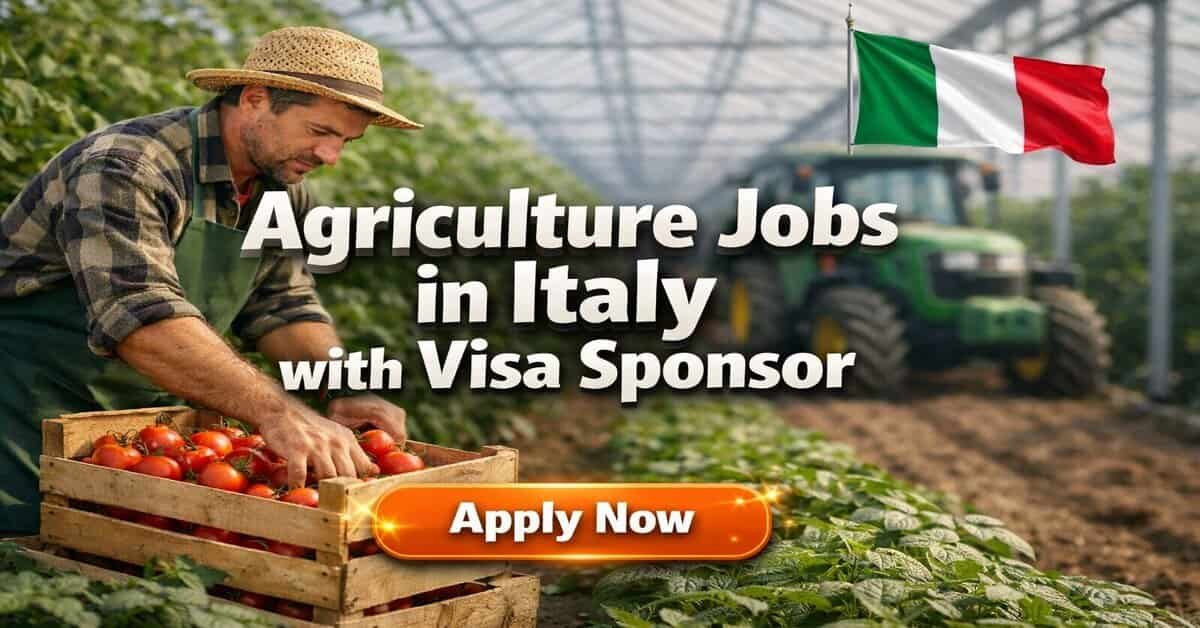
Italy is worldwide famous not only for its history and culture but also for its massive agricultural production. Every year, the Italian government opens its doors to thousands of international workers to fill labor shortages in the farming sector. In 2026, under the latest Decreto Flussi (Flow Decree), agriculture remains the top sector for seasonal employment.
If you are looking for an opportunity to enter the European job market without needing a high-level university degree or complex technical skills, seasonal agricultural work in Italy is your best gateway. This article provides a deep dive into everything you need to know: from job types and salaries to the step-by-step application process.
1. Why Choose Italy for Agricultural Work?
Italy is one of the largest producers of agricultural goods in the European Union. From the vast vineyards of Tuscany to the tomato fields of Puglia, the demand for labor is constant.
Key Reasons:
- Massive Quotas: The Italian government allocates the largest portion of work visas to the agricultural sector.
- Low Barrier to Entry: Most jobs do not require higher education or specific language proficiency.
- Path to Europe: Successfully completing a seasonal contract can sometimes lead to future multi-year visas or better opportunities in the EU.
2. Top Job Roles in the Agricultural Sector
The work is diverse and varies depending on the region and the season. Here are the most common roles available for international workers:
A. Fruit and Vegetable Harvesting (The Picking Season)
This is the most common job. It involves picking grapes (for Italy’s world-famous wine industry), olives, apples, strawberries, and tomatoes.
- Peak Months: March to October.
- Nature of Work: Physical and outdoors. It requires stamina but is rewarding.
B. Greenhouse and Nursery Workers
In northern Italy, many plants and flowers are grown in controlled environments (greenhouses). These roles are less dependent on the weather and involve planting, pruning, and packing.
C. Farm Equipment Operators
If you have experience with machinery, you can work as a tractor driver or operate harvesting machines. These roles usually pay higher than manual picking roles.
D. Livestock and Dairy Farm Assistance
Italy is famous for its cheese (like Parmesan and Mozzarella). Workers are needed to assist in cattle farming, milking, and general maintenance of livestock facilities.
3. Salary and Financial Benefits
One of the most important aspects for any job seeker is the income. In Italy, agricultural wages are regulated by national and provincial contracts.
- Average Hourly Wage: Between €7.00 and €10.00.
- Monthly Income: On average, a seasonal worker can earn between €1,100 and €1,500 depending on the hours worked.
- Overtime: During peak harvest seasons, workers often work extra hours, which are paid at a higher rate.
- Accommodation (Vitto e Alloggio): Many farmers provide housing and sometimes food for their seasonal staff, significantly reducing your monthly expenses.
4. Understanding the Decreto Flussi 2026
You cannot simply fly to Italy and start working. You must be part of the Decreto Flussi. This is a law that sets a “quota” (a specific number) for how many non-EU workers can enter Italy.
The Process Works Like This:
- Quota Announcement: The government announces how many thousands of workers are needed.
- Employer Application: An Italian employer (the farmer) must apply for a “Nulla Osta” (Work Authorization) for you.
- The Click Day: This is the day when applications are submitted online. Since quotas fill up in minutes, timing is everything.
5. Step-by-Step Application Guide
To secure a job on your website or through official channels, follow these steps:
Step 1: Document Preparation
Prepare your passport (valid for at least two years), a clean criminal record, and a professional CV in Europass format. Even for farm work, a clear CV showing your physical fitness or previous experience helps.
Step 2: Finding an Employer
You can find employers through:
- Official Italian labor portals like Coldiretti or Confagricoltura.
- International job sites like Indeed Italy or LinkedIn.
- Specialized agencies that connect farmers with foreign labor.
Step 3: Obtaining the Nulla Osta
Your employer will submit your documents to the Sportello Unico per l’Immigrazione (Unified Immigration Desk). If approved, they will receive the Nulla Osta.
Step 4: Visa at the Embassy
Once you have the Nulla Osta, visit the Italian Embassy in your home country (e.g., Islamabad, New Delhi, or Dhaka) to get your Seasonal Work Visa.
6. Life as a Seasonal Worker in Italy
Living in the Italian countryside is a unique experience. While the work is hard, you get to experience the Italian lifestyle.
- Working Hours: Usually 6–8 hours a day, 5–6 days a week.
- Legal Rights: As a legal worker, you are entitled to health insurance and protection under Italian labor laws.
- Language: While not mandatory, knowing basic Italian words like “Lavoro” (Work), “Campo” (Field), and “Grazie” (Thank you) will make your life much easier.
7. Frequently Asked Questions (FAQs)
Q1: Can I bring my family on a seasonal visa?
No, seasonal visas are strictly for the individual worker and do not allow for family reunification.
Q2: Can I convert a seasonal visa into a permanent one?
Yes, if you have participated in the seasonal program for at least two years, you may be eligible to convert your permit into a long-term subordinate work permit if you find a permanent employer.
Q3: Is there an age limit?
Generally, you must be over 18. There is no strict upper limit, but you must be physically fit for farm labor.
Conclusion
Agricultural jobs in Italy for 2026 represent a massive opportunity for thousands of people. By following the legal route of the Decreto Flussi and connecting with genuine employers, you can earn a good living and gain valuable European experience.
Stay tuned to our website for more updates on the “Click Day” dates and specific employer links for the 2026 season!