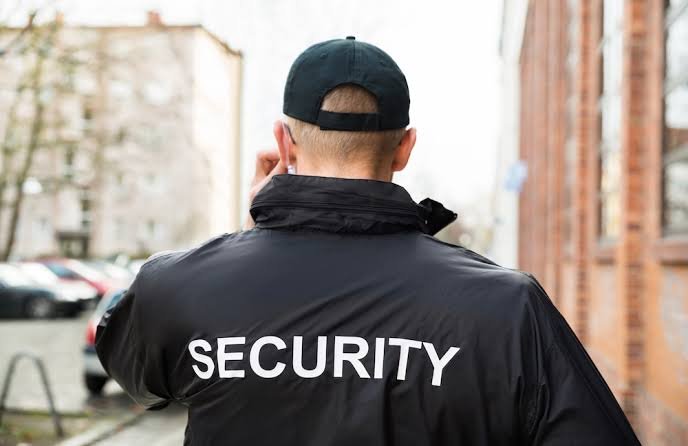
Italy is one of Europe’s leading destinations for people seeking employment in the security industry. With thousands of businesses, shopping centers, airports, hotels, industrial facilities, hospitals, museums, and private organizations requiring professional security services, the demand for qualified security guards continues to grow.
For both local residents and international job seekers, security guard positions can provide stable employment, competitive salaries, and opportunities for career advancement. However, working as a security guard in Italy requires meeting legal requirements, obtaining the necessary permits, and following Italian labor regulations.
This guide explains everything you need to know about security guard jobs in Italy, including qualifications, responsibilities, salaries, visa requirements, benefits, and application tips.
What Does a Security Guard Do?
A security guard is responsible for protecting people, property, and assets. The exact duties depend on the employer and workplace.
Common responsibilities include:
- Monitoring buildings and premises
- Checking visitors and verifying identification
- Preventing unauthorized access
- Patrolling assigned areas
- Operating CCTV surveillance systems
- Reporting suspicious activities
- Responding to emergencies
- Assisting employees and visitors
- Writing incident reports
- Following company security procedures
Professional security guards help maintain a safe environment while following local laws and company policies.
Types of Security Guard Jobs in Italy
There are several areas where security guards can work.
Corporate Security
Corporate security guards protect office buildings, company headquarters, and business facilities.
Typical duties include:
- Access control
- Visitor management
- Security monitoring
- Emergency response
Retail Security
Shopping malls and retail stores hire security personnel to reduce theft and improve customer safety.
Responsibilities include:
- Preventing shoplifting
- Monitoring CCTV cameras
- Assisting customers
- Reporting incidents
Hotel Security
Hotels employ security staff to protect guests, employees, and property.
Duties include:
- Monitoring entrances
- Managing emergencies
- Assisting hotel management
- Ensuring guest safety
Airport Security
Airport security positions involve strict procedures and additional background checks.
Responsibilities may include:
- Passenger screening
- Access control
- Baggage monitoring
- Security inspections
Industrial Security
Factories, warehouses, and logistics companies hire guards to protect equipment and inventory.
Tasks include:
- Patrolling facilities
- Checking deliveries
- Preventing unauthorized access
- Monitoring alarms
Hospital Security
Hospitals require trained security personnel to maintain a safe environment for patients, staff, and visitors.
Responsibilities include:
- Managing visitor access
- Responding to emergencies
- Protecting hospital property
- Supporting medical staff during incidents
Requirements for Security Guard Jobs in Italy
Requirements vary depending on the employer and the type of security work.
Common qualifications include:
- Minimum age requirement
- Valid identification documents
- Clean criminal record
- Good physical fitness
- Basic communication skills
- Ability to work shifts
- Professional attitude
- Reliability and honesty
Some employers may also require previous security experience.
Education Requirements
Many entry-level positions require a high school diploma or equivalent.
Additional security training or certifications can improve employment opportunities.
Some specialized roles may require:
- First aid training
- Fire safety knowledge
- CCTV operation skills
- Emergency response training
Language Skills
Italian is the primary language used in most workplaces.
Knowing Italian can significantly improve job opportunities.
English may also be helpful, especially in:
- Hotels
- Tourist attractions
- Airports
- International companies
Learning basic Italian before applying can be an advantage.
Work Permit and Visa
International applicants from countries outside the European Union generally need legal authorization to work in Italy.
The exact requirements depend on:
- Nationality
- Employment contract
- Immigration regulations
- Employer sponsorship (where applicable)
Before accepting a job, applicants should ensure they meet all immigration and work authorization requirements under current Italian law.
Average Salary
Security guard salaries in Italy vary depending on:
- Experience
- Employer
- Region
- Work schedule
- Night shifts
- Overtime
Approximate monthly salaries:
- Entry-level: €1,100–€1,400
- Experienced guards: €1,500–€2,000+
- Specialized security roles: Higher depending on qualifications and responsibilities
Additional pay may be available for overtime, holidays, weekends, or night shifts.
Working Hours
Security guards often work rotating schedules.
Typical shifts include:
- Day shifts
- Evening shifts
- Night shifts
- Weekend shifts
- Public holidays
Many employers operate 24-hour security services.
Benefits
Depending on the employer and employment contract, benefits may include:
- Paid annual leave
- Sick leave
- Overtime compensation
- Pension contributions
- Health insurance (where applicable)
- Professional training
- Uniforms
- Career development opportunities
Benefits vary based on company policies and applicable labor agreements.
Skills That Employers Value
Successful security guards usually possess:
- Strong observation skills
- Good communication
- Professional behavior
- Physical fitness
- Problem-solving ability
- Patience
- Integrity
- Teamwork
- Time management
- Emergency response skills
How to Apply
To improve your chances of finding employment:
- Prepare a professional CV.
- Highlight any security experience or relevant training.
- Include language skills.
- Apply through reputable employers or licensed recruitment channels.
- Attend interviews professionally dressed.
- Be prepared for background checks if required.
Avoid paying unauthorized agencies that promise guaranteed jobs or visas.
Career Growth
Security guards can progress into higher-level positions with experience and additional training.
Possible career paths include:
- Senior Security Guard
- Security Supervisor
- Control Room Operator
- CCTV Specialist
- Security Manager
- Loss Prevention Officer
- Corporate Security Officer
Continuous training can increase promotion opportunities.
Challenges of the Job
Like many professions, security work can involve challenges such as:
- Long shifts
- Night work
- Standing for extended periods
- Responding to emergencies
- Working in different weather conditions
- Handling stressful situations calmly
Good preparation and professional training help security personnel perform their duties effectively.
Tips for International Applicants
If you are planning to work in Italy, consider the following:
- Learn basic Italian.
- Keep your CV updated.
- Obtain any relevant security training.
- Ensure your documents are valid.
- Apply only through legitimate employers and recruitment channels.
- Verify visa and work authorization requirements before traveling.
- Research the employer before accepting an offer.
Frequently Asked Questions
Is previous experience required?
Not always. Some employers hire entry-level candidates and provide on-the-job training, while others prefer experienced applicants.
Can foreigners apply?
Foreign nationals may apply if they meet Italy’s legal work authorization and employer requirements.
Is Italian language knowledge necessary?
For many positions, basic or intermediate Italian is beneficial and may be required. English can also be useful in certain workplaces.
Do security guards work at night?
Yes. Many security roles involve rotating shifts, including evenings, nights, weekends, and holidays.
Are security jobs stable?
Security services are needed across many industries, making the field a potential source of long-term employment, though availability varies by employer and region.
Conclusion
Security guard jobs in Italy offer opportunities across a wide range of industries, from retail and hospitality to healthcare and corporate security. Success in this profession depends on professionalism, reliability, communication skills, and compliance with Italian laws and workplace requirements.